 COME
COMECricket wickets remaining and balls remaining
Wickets and balls measure different remaining resources and should be read together.
Work through this situation
At 90/4 after 10 overs of a standard uninterrupted 20-over innings, six wickets and 60 valid balls remain. A side can have many balls left but few wickets, or the reverse.
What to check and why
Read the score as runs and wickets lost, then calculate resources remaining. In a normal ten-wicket innings, four wickets lost leaves six. Ten completed overs in an uninterrupted twenty-over allocation leaves ten overs, or sixty valid balls. Both numbers describe opportunity remaining, but neither guarantees the result.
A chase also needs its target and required runs. A first innings needs the current phase and allotted overs. Avoid comparing two teams solely on a similar score if one has different wickets or balls available. Reduced matches and completed all-out innings need their actual official state, rather than a mechanical assumption that every side still has twenty overs to use.
Recognise the relevant screen
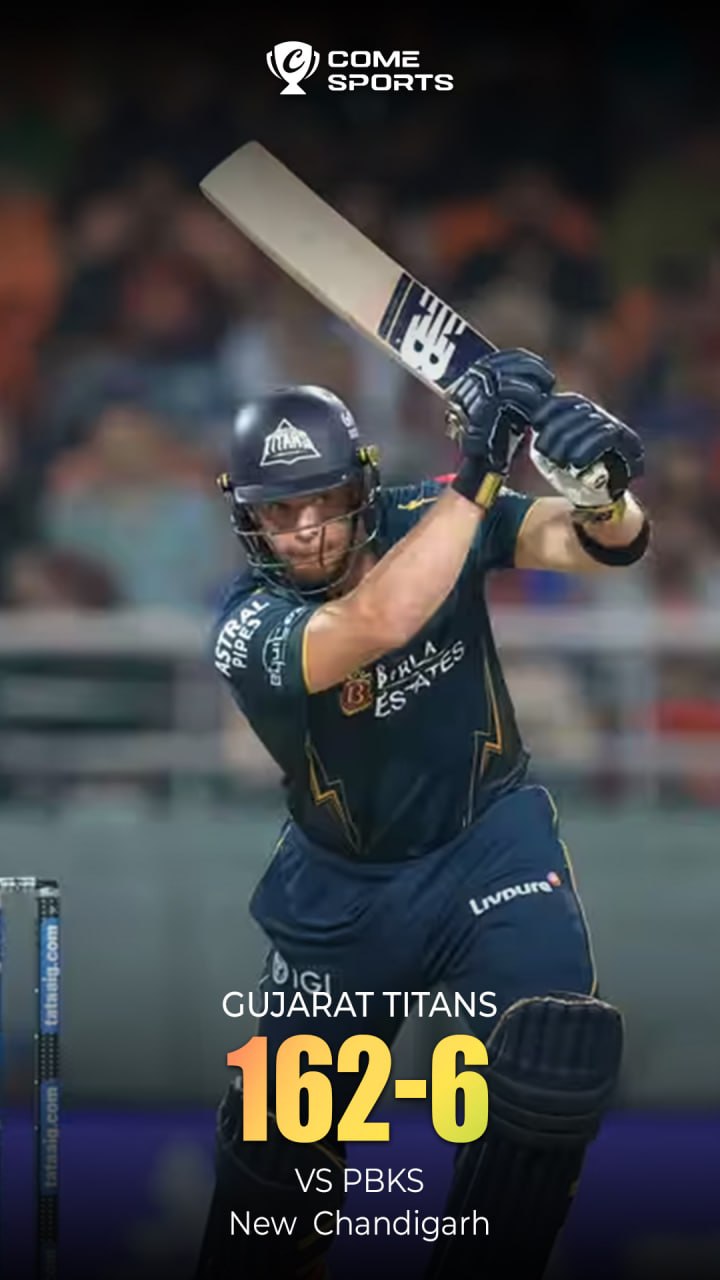
In the score graphic below, 162-6 means 162 runs with six wickets lost. The graphic illustrates a team-score field; the worked figures elsewhere in this article are separate examples.
Keep the example tied to the match state
The numbers here are worked examples, not a live score feed. A real match needs the current teams, innings, score, overs, target when applicable and status. Rain, completed innings and competition-specific rules can change how a simple example applies. Use the official match record for changing figures, and do not treat a saved graphic as a current update.
What a completed answer looks like
Both resources are present in the description instead of declaring an outcome from runs alone.
For a changing match, check the official fixture or scorecard again before using an earlier calculation.
Choose another specific COME guide
Read the wider cricket and IPL guide